Business ETC uses cookies. By continuing to browse this site you are agreeing to our use of cookies. Click here to find out more »
Dublin: 12 °C Wednesday 19 June, 2013

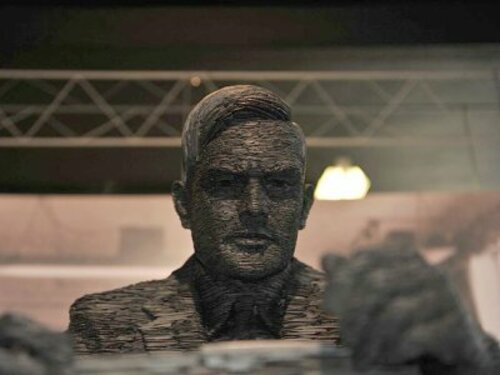
The incredible story of Alan Turing, who helped beat the Nazis but was then persecuted for his sexuality

Turing, known as the father of modern computing, helped give the Allies their biggest tactical advantage against the Axis forces but died an ignominious death.

Image: jessie_st.amand via Creative Commons/fotopedia/Flickr

WORLD WAR II had many heroes whose names everyone knows: Winston Churchill, Dwight Eisenhower, and Douglas MacArthur are only a few. But those who worked behind the scenes are less known, often because they worked with “classified” information.

One such person is Alan Turing, the man who helped give the Allies their biggest tactical advantage against the Axis forces and is the father of much of modern computing, yet was censured for his sexual orientation after the war and died an ignominious death.

But not everyone is content to let him rest in infamy. Last month, a petition was circulated in the UK to honour Turing by putting his face on the new £10 notes.

So this being the centenary of his birth, we decided to dig into his contributions to the war and science.

The incredible story of Alan Turing, who helped beat the Nazis but was then persecuted for his sexuality
1 / 13
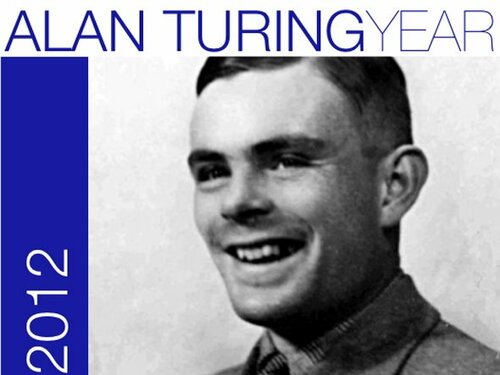
  • Alan Turing was born in London on June 23, 1912

    Image: www.mathcomp.leeds.ac/turning2012.jpg
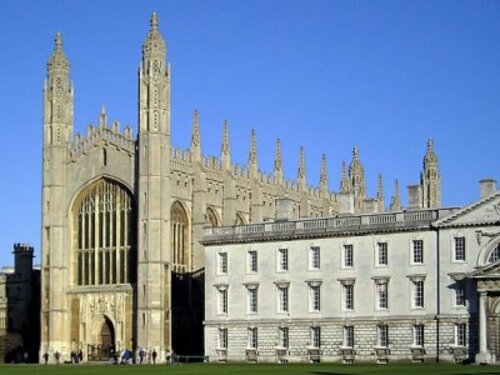
  • He studied mathematics and later taught quantum mechanics at Cambridge University

    This is where he proved that automatic computation cannot solve all mathematical problems. This concept, called the Turing machine, is the basis for the modern theory of computation. Image: Wikipedia Commons
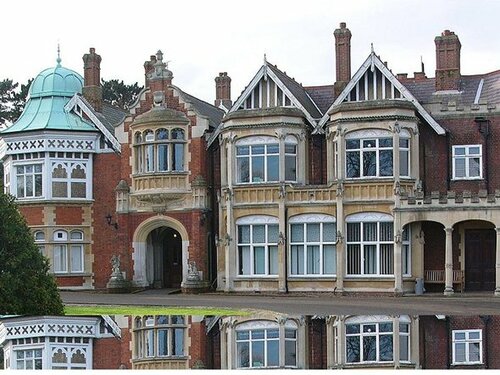
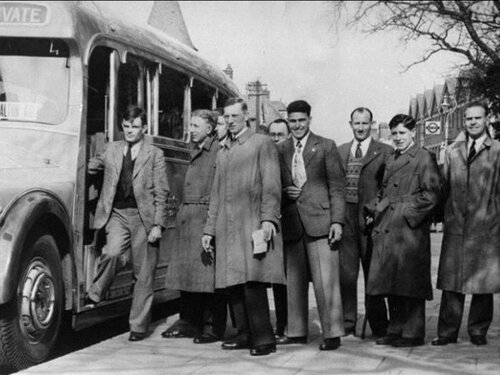
  • During World War II, he worked at the British government's code and cipher headquarters, Bletchley Park

    Image: Wikimedia Commons/Matt Crypto
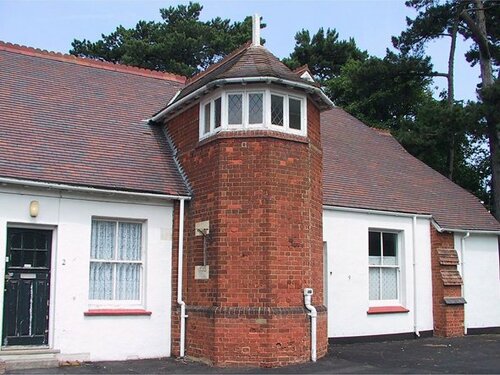
  • It was at Bletchley Park that Turing achieved his crowning glory: breaking the German Navy's Enigma Code

    Hut 8, Bletchley Park, where Turing worked on the Enigma Image: Wikimedia Commons
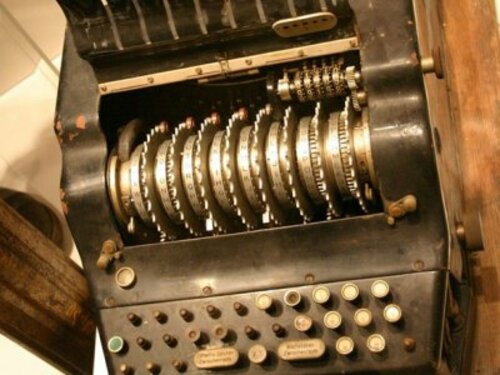
  • The Enigma machine, originally developed in the 1920s, enabled its operator to type a message, then ‘scramble’ it using a letter substitution system, generated by variable rotors and an electric circuit

    To decode the message, the recipient needed to know the exact settings of the wheels. This complex system made the Germans believe the Enigma code was unbreakable (till the end of the War, in fact), and they used it for all forms of military communication. Image: Wikimedia Commons/Eric Tischer
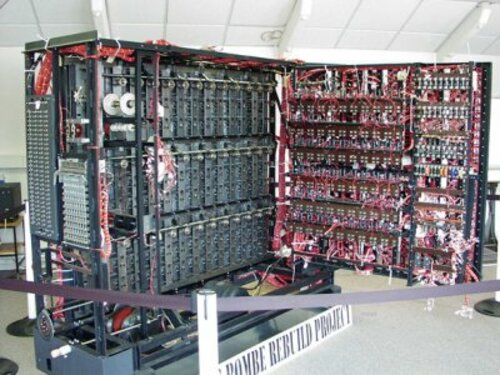
  • Turing led the team that designed a machine known as a 'bombe', which was successful in decoding German messages as early as 1940

    The function of the bombe was to discover some of the daily settings of the Enigma machines on the various German military networks to decode the messages they sent (codenamed "Ultra"). Image: Wikimedia Commons/Tom Yates
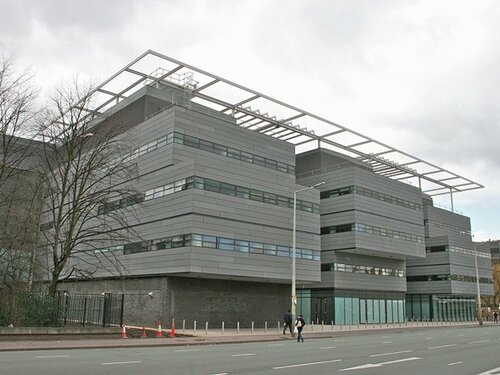
  • After the War, Turing's work at Manchester University formed the basis of artificial intelligence research

    Alan Turing Building at the University of Manchester Image: Wikimedia Commons/Mike Peel (www.mikepeel.net)
  • Despite helping the Allies win WWII, Turing was arrested for being gay in January 1952

    Image: turing.co.uk
  • He chose to receive estrogen treatments to "cure" himself, rather than face imprisonment. His career was ruined, and the hormones made him impotent and depressed

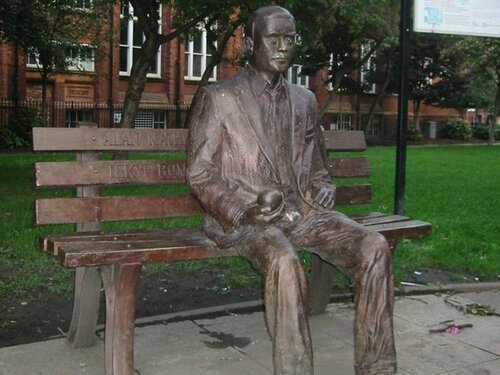
    Images: Wikimedia Commons
  • On June 7, 1954, he died by suicide after eating an apple laced with cyanide

    However, there are some who believe that he may have been murdered, according to The New Yorker. Image: Wikimedia Commons/Joseph Birr-Pixton
  • In 2009, UK Prime Minister Gordon Brown issued a formal apology for the "appalling" treatment of Turing, but refused to pardon his conviction

    Brown claimed that "...the law at the time required a prosecution and, as such, long-standing policy has been to accept that such convictions took place and, rather than trying to alter the historical context and to put right what cannot be put right, ensure instead that we never again return to those times," the BBC reports. Image: Wikimedia Commons/lmno
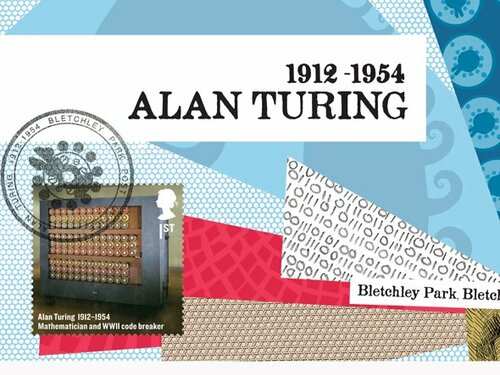
  • However, the government has put Turing's face on Royal Mail stamps multiple times over the last few years

    Image: www.mathcomp.leeds.ac.uk
  • There is now also an e-petition requesting that England place him on the next £10 note

    In less than a week the petition has garnered more than 11,000 signatures. E-petitions that gain 100,000 signatures in a year are eligible for debate in the House of Commons. If selected, Turing will replace Charles Darwin, as the government replaces Series E notes with Series F. Image: Wikimedia Commons/Sjoerd Ferwerda

Article by Sanya Khetani for Business Insider

  • Share on Facebook
  • Email this article
  •  

Published with permission from:

Business Insider
Business Insider is a business site with strong financial, media and tech focus.

Read next:

Comments (14 Comments)

Add New Comment