2011 - The Year in Money
The political year in Ireland began with some frantic Oireachtas business to finalise the Budget, after the Green Party pulled the plug on its coalition with Fianna Fáil. 20 TDs were required to stay in Dublin on the last Saturday in January for an emergency Dail sitting in case the Seanad passed any amendments to the Finance Bill, though in the end they were not needed.
2011 - The Year in Money
The year began quietly for the Eurozone, in the aftermath of Ireland's bailout, but things began to become more turbulent in March as Portuguese bond yields began to shoot up. A meeting of EU heads of government on March 24 led to a "comprehensive package" on tackling the debt crisis, including the creation of a permanent bailout fund to kick in in 2013.
2011 - The Year in Money
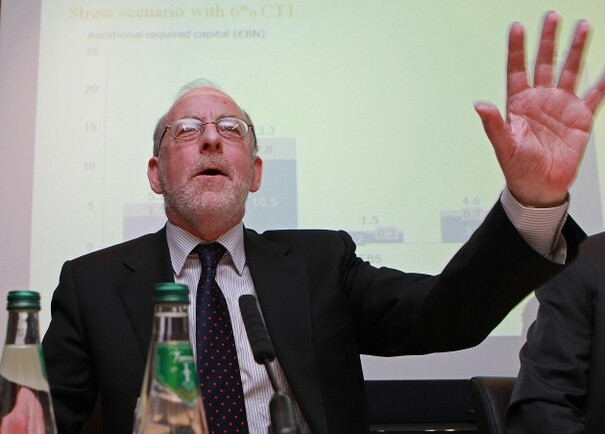
This wasn't much comfort to Ireland's new government, however, who were forced to shoulder even more costs of their own. On March 31, the government announced the results of new stress tests - which underlined that four Irish banks would need a further €24 billion in state aid, bringing the total cost of the banking bailout to €70bn.
2011 - The Year in Money
Homeowners had more bad news a week later, when the ECB raised its key interest rate for the first time in three years. The increase meant most mortgage holders faced higher monthly repayments.
2011 - The Year in Money
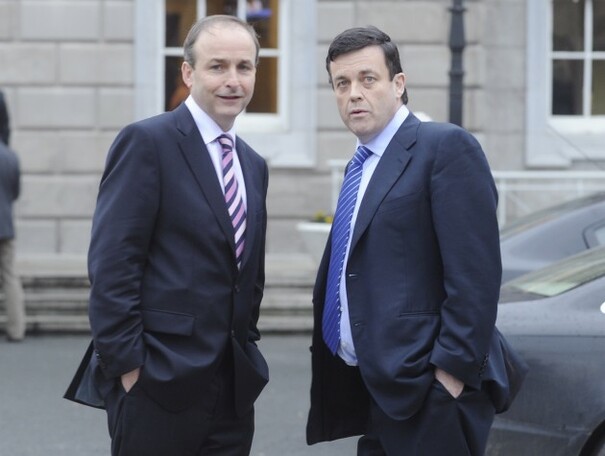
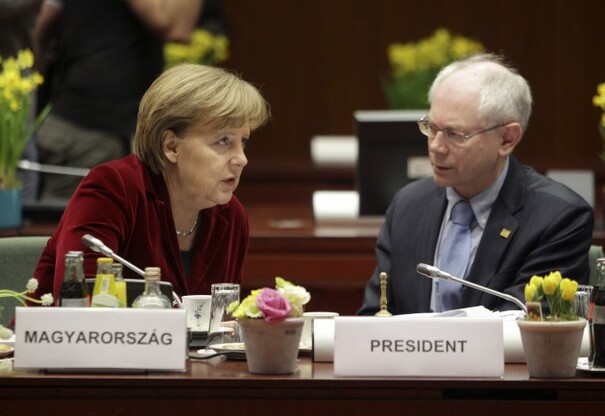
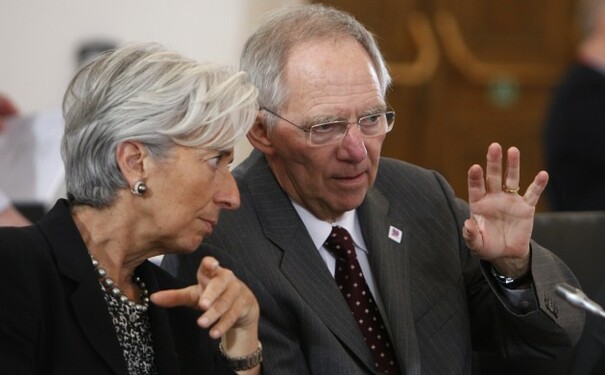
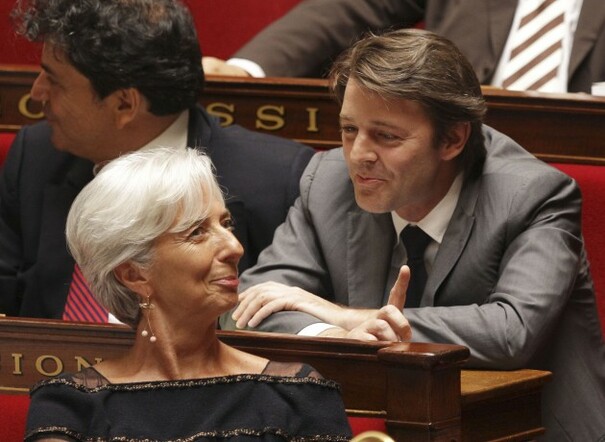
At an April meeting of European finance ministers in Hungary, Christine Lagarde (still France's finance minister at the time) and Michael Noonan have a "good discussion" on France's opposition to Ireland's rate of corporation tax.
2011 - The Year in Money
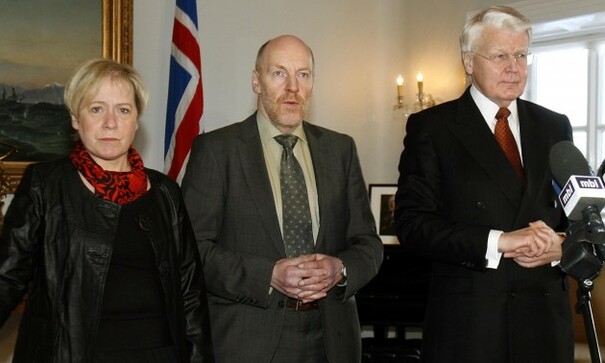
Elsewhere, Iceland held a referendum in May on whether to repay €4bn in debts to UK and Dutch savers from the collapse of its banking system. The public voted against the proposal - backing a default.
2011 - The Year in Money
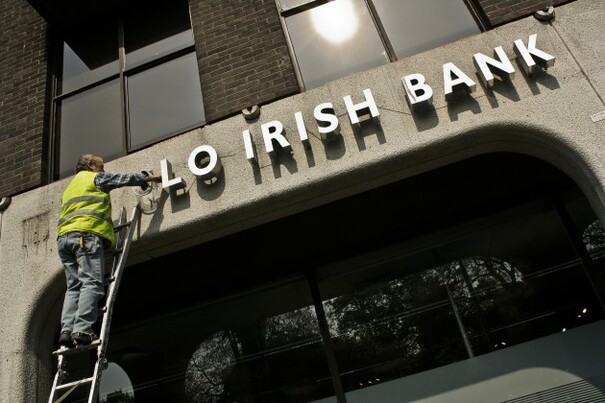
For a relatively small action, the removal of the words 'ANGLO IRISH BANK' from outside the bank's headquarters proved cathartic for an angry public. The bank itself went out of existence in July, merging with Irish Nationwide to form the 'Irish Bank Resolution Corporation'.
2011 - The Year in Money
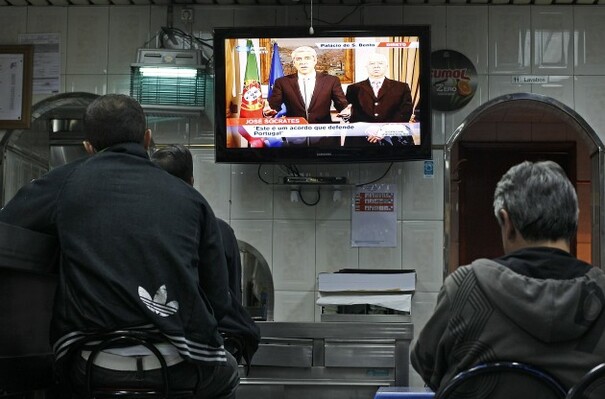
May saw Portugal become the third EU country to join the bailout club, agreeing a €78bn borrowing deal with the EU and IMF.
2011 - The Year in Money
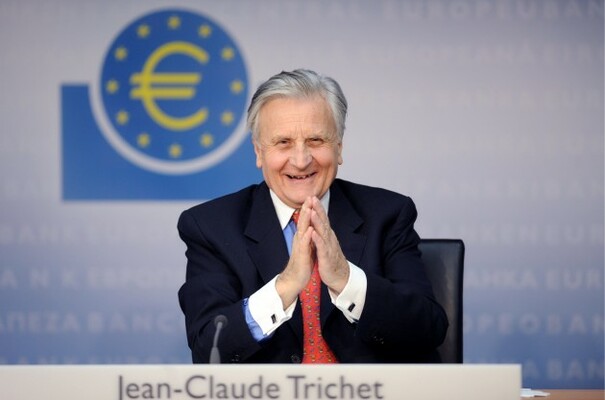
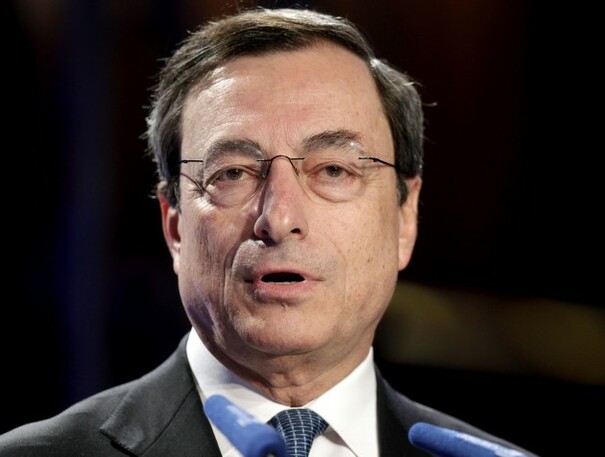
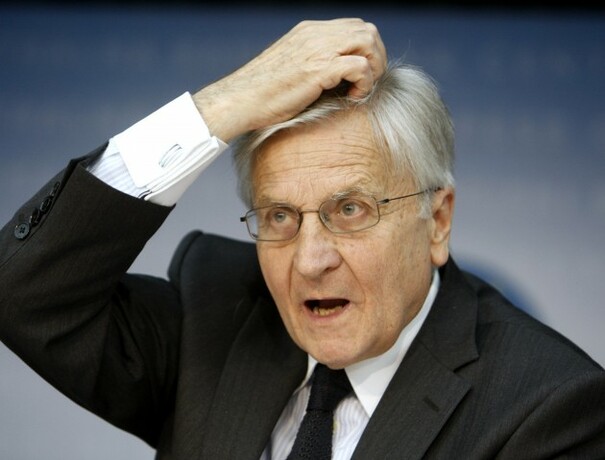
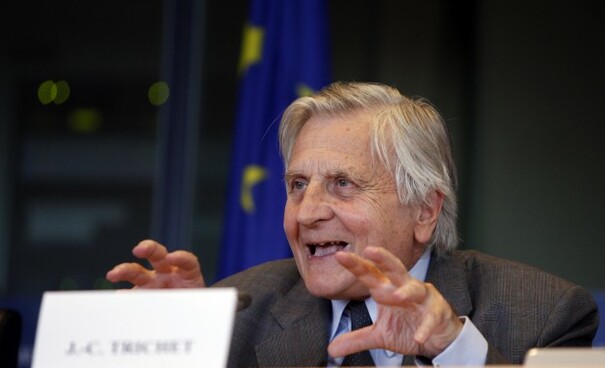
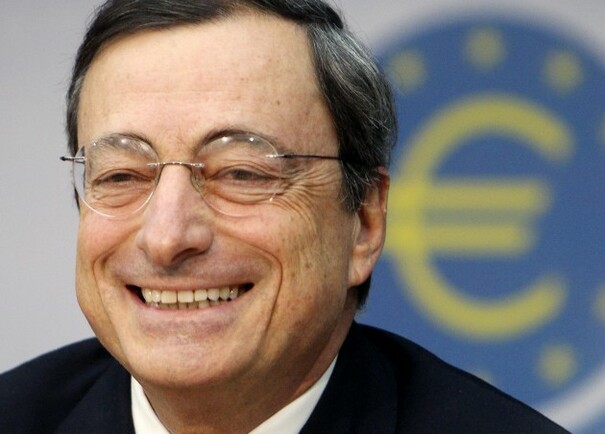
On May 25, European leaders formally signed off on the appointment of 'Super' Mario Draghi as the new president of the European Central Bank. He took up office in November at the end of Jean-Claude Trichet's eight-year term.
2011 - The Year in Money
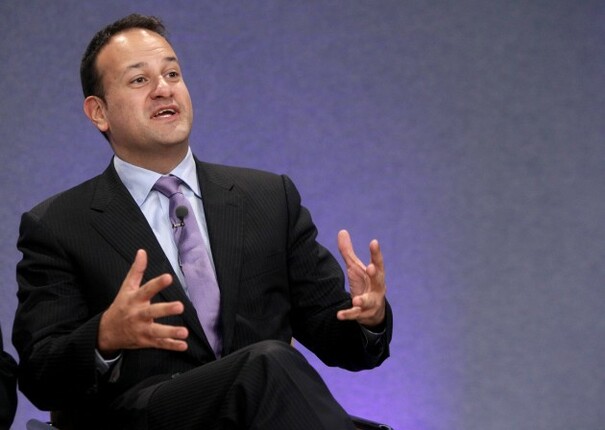
On May 29 Leo Vardakar caused a minor domestic political storm when he suggested that Ireland wouldn't be able to return to the open money markets before the end of the current bailout - meaning Ireland would need a second funding deal. Other ministers distanced themselves from his remarks.
2011 - The Year in Money
With Dominique Strauss-Kahn spending much of May and June fighting criminal charges in New York, Christine Lagarde was appointed the IMF's new Managing Director. Her appointment was not entirely smooth, with emerging economies challenging the protocol that a European nominee get the job.
2011 - The Year in Money
As the Eurozone lurched from crisis to crisis, inflation on the continent began to rise - forcing the ECB to increase its main interest rate by another 0.25%. This was bad news for Ireland, though, which had a comparatively flow inflation - and where mortgage holders faced even tougher times meeting their monthly repayment.
2011 - The Year in Money
That wasn't the only concern for Ireland though. On July 12, Moody's became the first of the three main ratings agencies to downgrade Ireland to 'non-investment' grade - better known as 'junk status'. The agency said it expected Ireland to default on its loans at some point. Portugal was also placed in the 'junk' category.
2011 - The Year in Money
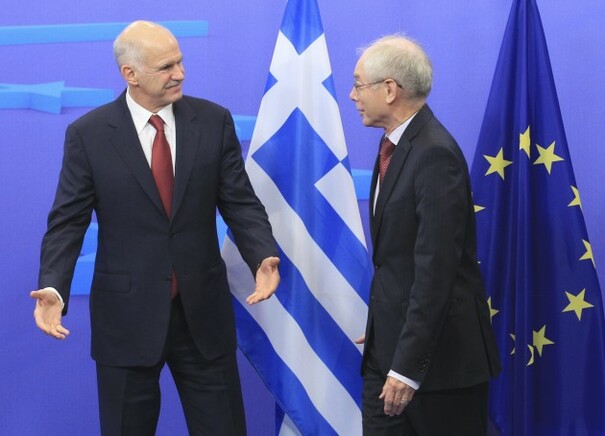
This may have been a blessing in disguise, however: a meeting of EU leaders the following week agreed to cut Ireland's interest rates considerably, saving us hundreds of millions a year. The same summit agreed to a second package of loans to help the strugging government of Greek premier George Papandreou.
2011 - The Year in Money
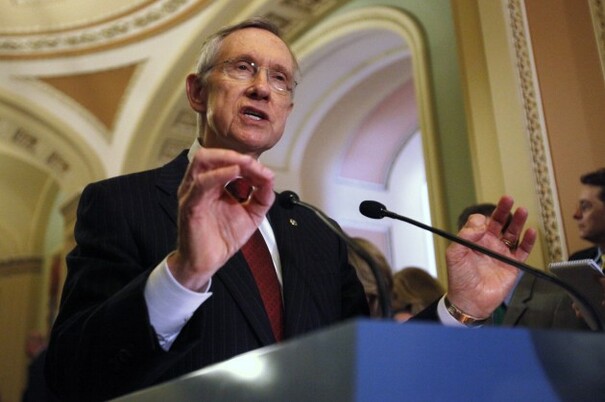
Just as things seemed quiet in Europe, the US became the focus of concern as lawmakers clashed on plans to raise the US's federal 'debt ceiling' of .3 trillion. The government was shut down, but only for about an hour, with Republicans and Democrats ultimately striking a deal - where the government committed to radical spending cuts - in the early hours of August 1.
2011 - The Year in Money
That move didn't satisfy ratings agency Standard & Poor's, however. In an unprecedented move, they removed the United States' coveted AAA rating, saying the political deadlock posed larger problems to the country's economic outlook. The cost of borrowing to the US fell, however, as investors opted for US bonds over 'riskier' alternatives.
2011 - The Year in Money
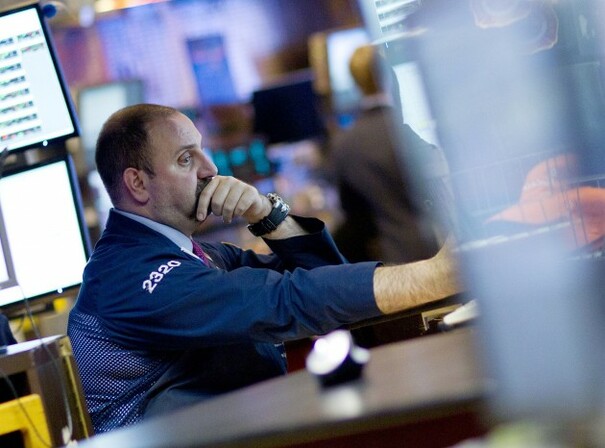
With investors fleeing from the prospect of lending to European countries, the ECB upped its game. On August 7, it announced a comprehensive programme of buying Italian and Spanish bonds in an effort to keep their costs of borrowing artificially low.
2011 - The Year in Money
In matters both foreign and domestic, France and Germany kicked off the progress towards a new Eurozone treaty by announcing, in mid-August, they would merge their corporation tax rates by 2016, and calling for a new collective Eurozone 'government'. It was this call that would shape European talks for the remainder of the year.
2011 - The Year in Money
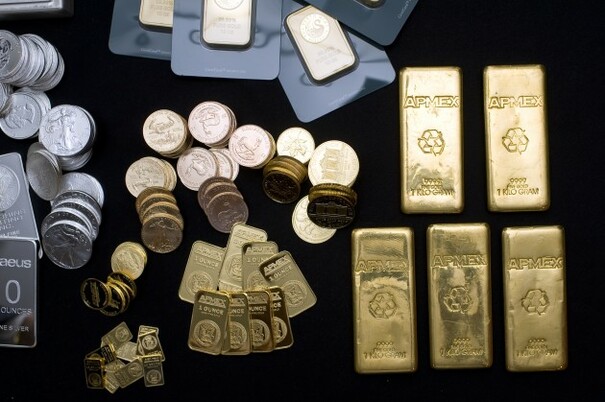
As investors resisted the opportunity of lending to countries, 'safer' bets like precious metals continued to rise. Gold reached an all-time peak price of 310374,925/oz on September 6 - and became so coveted that Donald Trump even accepted gold bullion in lieu of a cash deposit for one major property deal.
2011 - The Year in Money
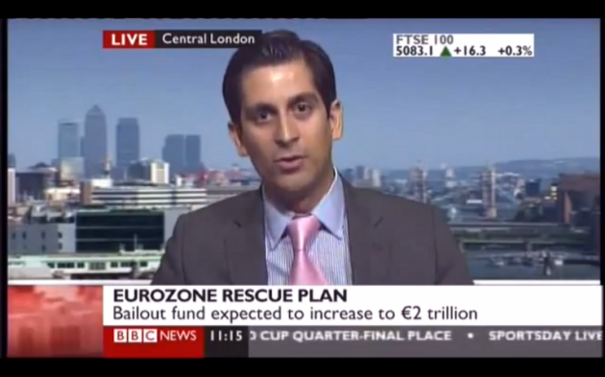
Independent trader Alessio Rastani became an unlikely icon on September 26 after appearing on BBC News and admitting that he looked forward to a major financial collapse. His comments - which stunned his interviewer into silence - went viral, and prompted speculation that he may been a stunt by the 'Yes Men' gang.
2011 - The Year in Money
Back in Europe, a critical few months began with a frank admission from Greece that it would not reach its EU-IMF targets for cutting government spending. The admission set off a fresh wave of European panic, and even the Troika's guarantee of €8bn in new loans didn't do much to ease the fears.
2011 - The Year in Money
The European crisis continued, however, as Spain became the latest country to be downgraded - again, with Moody's the culprit. The downgrade put Spain firmly in the firing line, as its cost of borrowing - like Italy's - continued to rise.
2011 - The Year in Money
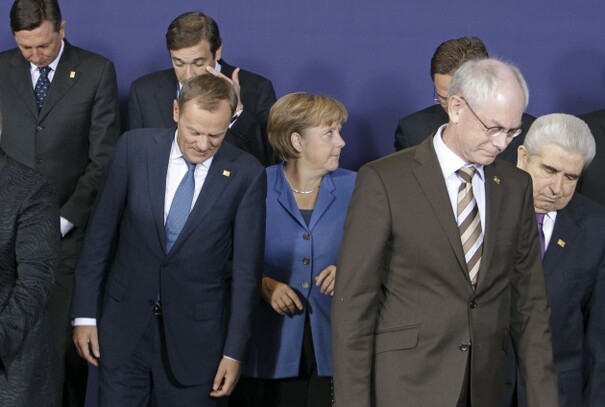
Another summit of EU leaders, in October, came up with another "comprehensive" package of measures. They agreed not only to 'leverage' the bailout fund, increasing its lending power into the trillions, but to write down some Greek debt by 50 per cent. All seemed to be well, until...
2011 - The Year in Money
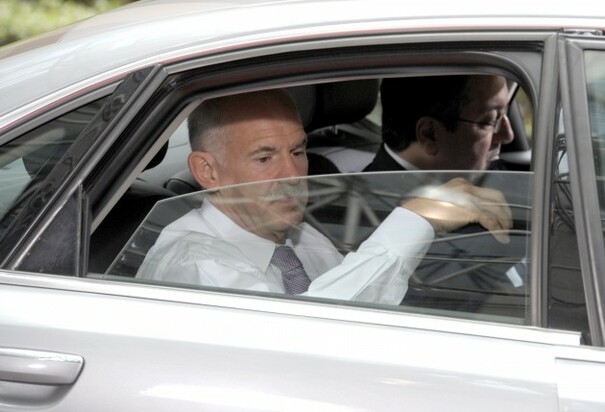
...George Papandreou announced he would call a referendum on the new deal. The announcement sparked panic in Greece, where the cabinet rejected the plan, and worldwide - and prompted suggestions that a No vote would mean Greek exit from the Euro. Papandreou backtracked, eventually, and went on to step down from power.
2011 - The Year in Money
Two days into his reign at the ECB, Super Mario handed mortgage holders a boost - but underlined the fears that Europe's economy was shrinking again. The ECB's main interest rate was cut by 0.25%, back to 1.25%.
2011 - The Year in Money
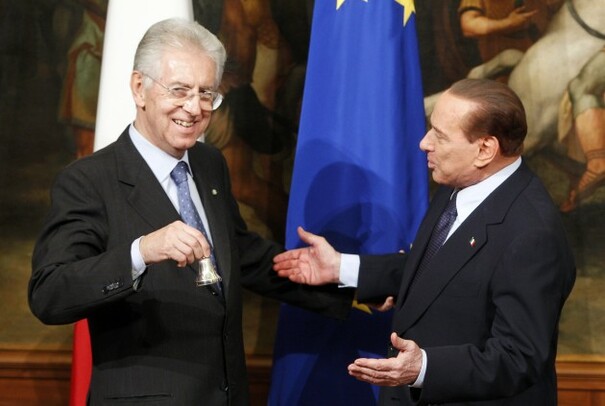
Back in Draghi's native Italy, meanwhile, the debt crisis claimed another scalp: that of Silvio Berlusconi, who lost his parliamentary majority after a number of government MPs jumped ship on a confidence vote. He was replaced by independent academic Mario Monti, who immediately set about more austerity measures to try and stop Italy from adding to its mountain of debt.
2011 - The Year in Money
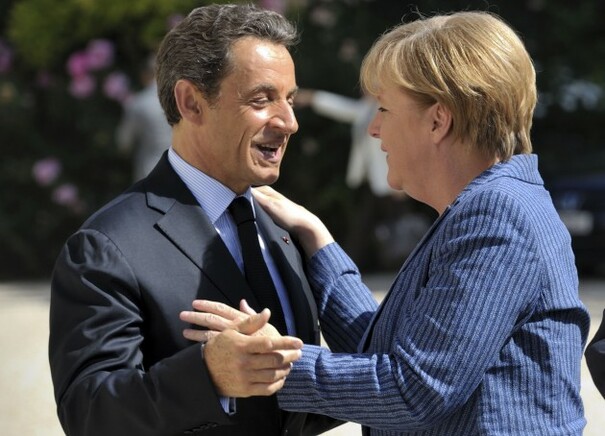
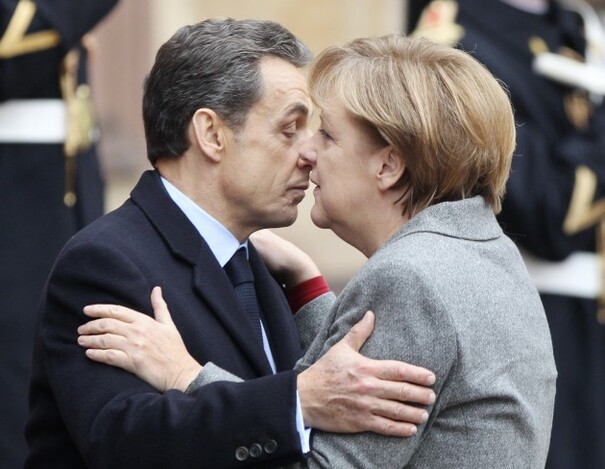
Sarkozy and Merkel - by now, 'Merkozy' - continued their joint approach to tackling the European crisis, meeting in late November to announce more plans for changing the EU's founding treaties. They argued that giving centralised powers to the EU was the only way to ensure an end to the debt crisis.
2011 - The Year in Money
Their proposals came the week ahead of yet another EU summit in Brussels - where the stakes were raised even higher by more ratings agency turmoil. Standard & Poor's said it was putting the entire European Union on 'creditwatch negative' - indicating a 50-50 chance that each individual country could be downgraded in three months.
2011 - The Year in Money
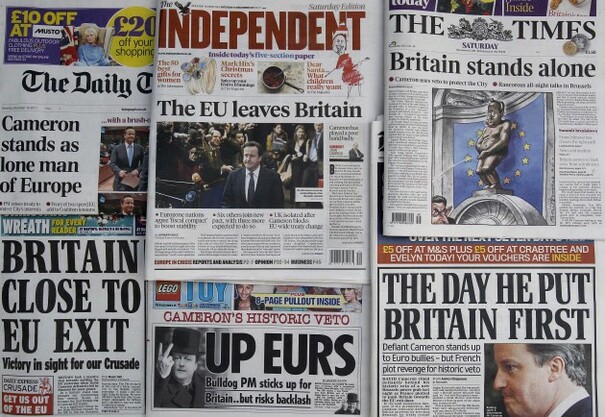
Germany welcomed that move, saying it provided urgency for leaders to strike a deal - but when they finally met in Brussels, unanimity couldn't be found. David Cameron decided the UK could not be a part of a proposed new 'fiscal union' - leaving Britain on the sidelines as the rest of Europe signed up to the deal. The British press were thrilled, but his coalition partners weren't quite so enthusiastic.
2011 - The Year in Money
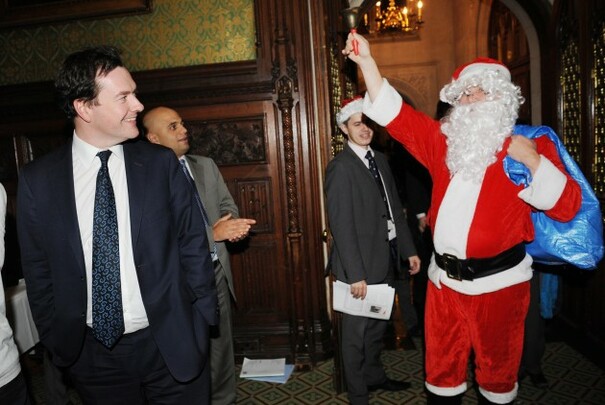
Chancellor George Osborne wasn't finished. That Brussels meeting had seen countries agree to lend give €200bn to the IMF to help it fight the crisis - but in the following week's teleconference of finance ministers, Osborne said Britain wouldn't be chipping in, instead focussing its efforts on the G20. Britain stood even more isolated as a result.
Comments (5 Comments)